Beyond the Click: Mastering Mobile Order Pickup for Restaurant Success
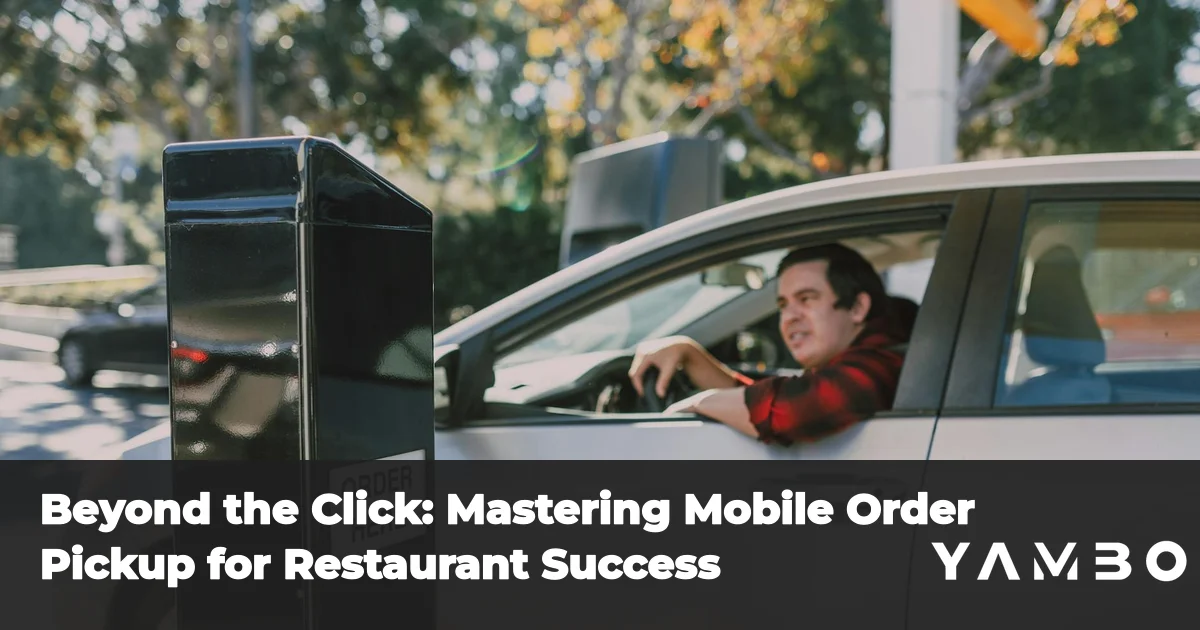
In today's fast-paced world, mobile ordering has become an indispensable part of the restaurant experience. Customers love the convenience of browsing menus, customizing orders, and paying ahead, all from their smartphones. This digital shift has undoubtedly streamlined the initial ordering process, saving time for both customers and staff. However, the journey from a tap on a screen to a satisfied customer picking up their meal is more complex than it appears. While the digital interface might be smooth, new pressure points can emerge in the physical world, ultimately shaping a customer's final impression.
Many restaurants focus heavily on optimizing their online ordering platforms, assuming that a seamless digital experience is the sole key to success. Yet, recent industry insights reveal a crucial truth: the customer's final impression is profoundly influenced by what happens after the order is placed. Is the order ready on time? Is the pickup process clear and efficient? Is the handoff accurate and friendly? These operational details, often overlooked, are where trust is built or broken, and where a robust system like Yammbo POS can make all the difference.
Reliability Trumps Speed: The Core of Customer Satisfaction
While speed is certainly appreciated, data consistently shows that reliability matters more to customers. When orders are ready precisely when promised, pickup satisfaction soars. Conversely, even a slight delay can significantly diminish a customer's positive experience. This isn't just about avoiding frustration; it's about delivering on the implicit promise made when a customer places an order through your digital channels.
The challenge often lies in a noticeable 'pickup gap' – a disconnect between a smooth online ordering experience and inconsistent physical fulfillment at the restaurant. For instance, a significant percentage of mobile orders are not ready on time, many pickup areas lack clear signage or dedicated lanes, and often, orders aren't confirmed with the customer before handoff. These are not issues with the ordering app itself; they are operational hurdles that demand attention and effective solutions. The digital convenience must be matched by meticulous execution at the store level to ensure a consistent and satisfying end-to-end experience.
When Expectations Are Broken: The Cost of Unkept Promises
Every time a customer places a mobile order, an expectation is set. When that expectation isn't met – whether it's a late order, an incorrect item, or a confusing pickup process – customers can feel as if the brand has broken a promise. This erosion of trust carries significant consequences, impacting repeat usage, customer loyalty, and overall perceptions of your restaurant's operational competence. Over time, even if customers continue to use mobile ordering for convenience, their confidence in your brand's ability to deliver consistently will wane.
The efficiency of your internal ordering flow directly correlates with order readiness and, subsequently, customer satisfaction. An inefficient internal process can lead to a dramatic drop in timely order fulfillment. When the ordering flow is smooth and well-managed, orders are far more likely to be ready on time. However, when the flow is inefficient and the order is delayed, pickup satisfaction plummets. This highlights that reliability isn't just about avoiding mistakes; it's about ensuring consistency across the entire operational process, from the moment an order is placed to the final handoff.
The Enduring Power of the Human Touch at Pickup
While mobile ordering automates the transaction, it doesn't eliminate the human element; rather, it shifts where that human interaction matters most. The pickup moment remains a critical service touchpoint. The vast majority of customers still interact with an employee during pickup, making this interaction a pivotal opportunity to reinforce a positive brand experience. Specific behaviors like making eye contact, offering a pleasant demeanor, smiling, and genuinely saying “thank you” significantly enhance friendliness scores and overall customer satisfaction.
This underscores the vital role of staff training. Frontline teams need to understand that a mobile customer isn't