Mastering the Last Mile: How Delivery Partnerships Boost E-commerce Success
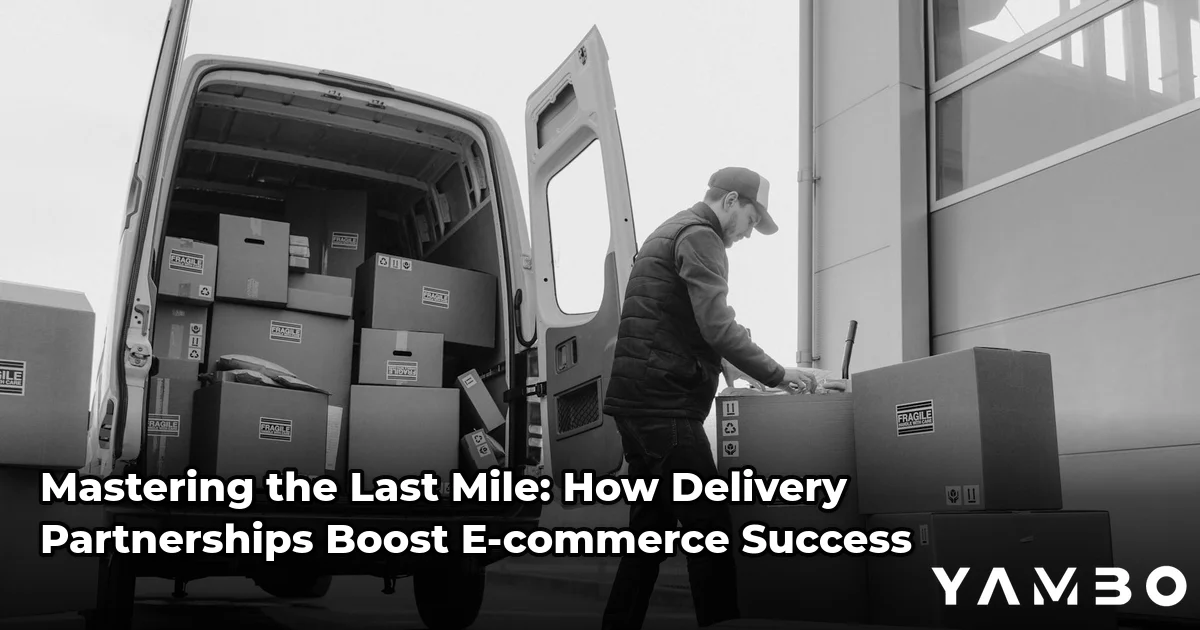
In the dynamic world of e-commerce, the journey of a product from warehouse to customer's doorstep is a complex ballet, with the 'last mile' being arguably the most critical and challenging act. This final leg of delivery, often the most expensive and time-consuming, directly impacts customer satisfaction and, ultimately, the success of an online business. As consumer expectations for speed, accuracy, and transparency continue to soar, online store owners are constantly seeking ways to optimize their shipping strategies.
The landscape of parcel delivery is continually evolving, driven by the relentless growth of online shopping. To meet these escalating demands, major logistics players are increasingly forming strategic partnerships, pooling resources and leveraging complementary strengths to create more robust and efficient delivery networks. These collaborations are not just about moving packages; they're about building trust, expanding reach, and ensuring that every customer receives their order seamlessly, no matter where they are.
The Evolving Landscape of E-commerce Delivery
The rise of direct-to-consumer (DTC) brands and the overall shift to online retail have placed immense pressure on traditional delivery models. Customers today expect more than just timely delivery; they demand real-time tracking, flexible delivery options, and a consistent experience, even in remote or less densely populated areas. For many online businesses, especially those operating outside major metropolitan hubs, ensuring reliable last-mile delivery has historically been a significant hurdle.
The challenge lies in the sheer scale and geographic diversity of delivery points. A carrier might have excellent infrastructure for long-haul transportation and sorting, but the final leg to individual homes across thousands of ZIP codes requires a different kind of network density and local expertise. This is where the concept of shared infrastructure and strategic alliances becomes incredibly powerful, allowing carriers to extend their reach without the prohibitive cost of building out an entirely new end-to-end residential delivery network.
Strategic Partnerships: A Game Changer for Last-Mile Logistics
Recent high-value, multi-year agreements between major logistics providers and national postal services exemplify this trend. These partnerships are designed to create a dependable, long-term platform for shippers, giving them access to an unprecedented number of delivery points across the nation. The model typically involves one partner handling the initial pickup, sortation, and linehaul (long-distance transport), then seamlessly handing off packages to the other for final-mile delivery.
This collaborative approach offers several key advantages:
- Expanded Reach: By combining networks, shippers gain access to millions of delivery points, including those in areas where private carriers might not offer cost-effective service. This is crucial for businesses looking to serve a nationwide customer base.
- Increased Efficiency: Leveraging existing infrastructure minimizes the need for redundant vehicles and facilities, leading to a more efficient operation and potentially reduced environmental impact.
- Enhanced Reliability: A long-term, exclusive commitment at scale provides stability for carriers to invest deeper in their infrastructure, translating to more consistent delivery outcomes for brands. From a post-purchase standpoint, consistency is everything.
- Cost-Effectiveness: By optimizing routes and utilizing existing postal service networks, the overall cost of last-mile delivery can be managed more effectively, a benefit that can trickle down to online businesses and their customers.
These agreements are not just about operational alignment; they reflect a shared commitment to innovation and delivering greater value to the shipping marketplace. The goal is to ensure that online businesses can make and keep their delivery promises to customers, regardless of location.
What This Means for Your Online Business
For online store owners, these advancements in last-mile logistics translate directly into tangible benefits that can significantly impact their bottom line and customer loyalty. When your shipping partners can offer better reach, improved density, and more consistent execution, your business reaps the rewards.
Consider the impact on customer satisfaction. A smooth, predictable delivery experience builds trust and encourages repeat purchases. Conversely, late or lost packages can quickly erode goodwill and lead to negative reviews. With enhanced last-mile capabilities, you can confidently offer clear delivery timelines and tracking information, knowing that your logistics partners are equipped to meet those expectations.
Furthermore, the ability to reach a wider audience means your growth potential is no longer limited by geographical delivery constraints. Whether your customers are in bustling cities or rural communities, a robust and integrated delivery network ensures that your products can reach them efficiently. This expanded market access is a powerful tool for scaling your online store.
The real customer benefit, however, hinges on how well these logistics partners share data, manage exceptions, coordinate handoffs, and maintain visibility across the entire shipment lifecycle. In modern parcel logistics, the physical network is only as good as the digital infrastructure that supports it. Seamless data flow ensures that both you and your customers have up-to-date information, from the moment an order is placed to its final delivery.
Beyond the Hand-off: The Future of Parcel Delivery
The trend towards shared infrastructure and interoperability is a clear indicator of where the parcel market is heading. It's less about individual carriers competing on every single leg of the journey and more about creating a collaborative ecosystem that benefits everyone involved – from the shipper to the end customer. This approach allows each partner to focus on their core strengths, whether that's first-mile pickup and sorting, long-haul transportation, or the intricate final-mile delivery to residential addresses.
For online businesses, this means a future where logistics are more predictable, more expansive, and ultimately, more reliable. As technology continues to advance, we can expect even greater integration and data sharing, leading to even more seamless and transparent delivery experiences. This evolution empowers online stores to concentrate on what they do best: creating great products and serving their customers, knowing that the complexities of delivery are expertly managed.
Navigating the complexities of e-commerce requires robust tools and reliable partners. As last-mile delivery continues to evolve, ensuring your online store is equipped to leverage these advancements is crucial. With a powerful platform like Yammbo Store, you can build a thriving online business, confident that your products can reach your customers efficiently and reliably, wherever they may be.