How to Navigate High-Demand Tech Product Shortages and Price Hikes
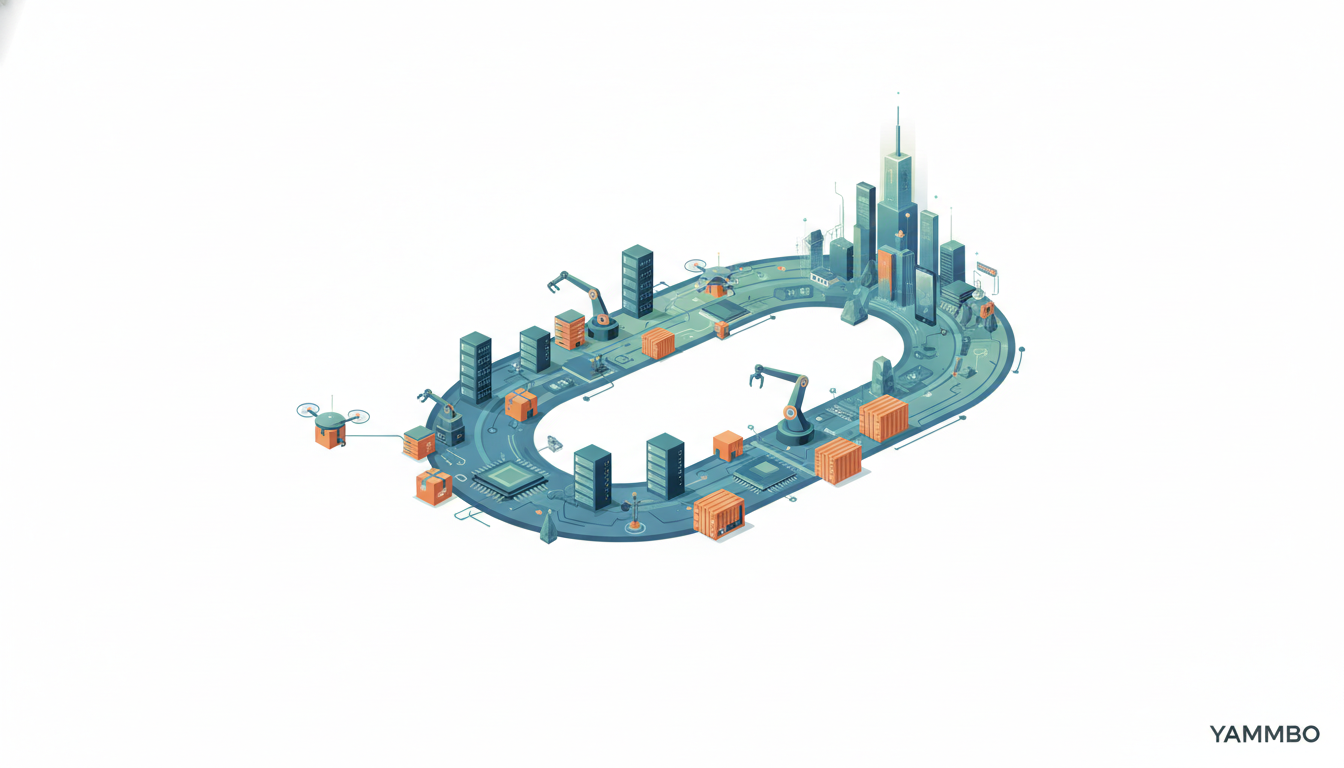
The landscape of consumer technology is constantly evolving, and recent years have introduced new challenges for enthusiasts and everyday users alike. Products with high demand, from gaming handhelds to specialized development boards, are frequently impacted by supply chain disruptions and fluctuating component costs. This often leads to intermittent stock availability and unexpected price adjustments. This tutorial provides a practical guide to understanding these market dynamics and making informed purchasing decisions when your desired tech product becomes a scarce commodity.
Step 1: Understanding Market Dynamics and Supply Chains
Before diving into purchasing strategies, it's crucial to grasp the underlying factors contributing to the scarcity and price volatility of high-demand tech. This isn't just about a single product; it's a systemic issue driven by several interconnected global forces.
- Component Shortages: Many modern electronic devices rely on a limited number of specialized components, such as high-bandwidth RAM (e.g., LPDDR4) and NAND flash storage (for SSDs). Manufacturing these components is complex and often concentrated in specific regions. Disruptions in these supply chains, whether due to natural disasters, geopolitical events, or unexpected surges in demand, can severely limit the availability of finished products.
- Increased Demand from Other Sectors: The rise of artificial intelligence (AI) infrastructure, for instance, has created an unprecedented demand for high-performance memory and storage. AI data centers and research facilities consume vast quantities of these components, often outbidding consumer electronics manufacturers. This shifts supply away from the consumer market, driving up costs for the remaining stock. Products like the Steam Deck OLED, which saw significant price increases for its 512GB and 1TB models, or the Raspberry Pi, which experienced its own round of price hikes and production delays, are direct examples of this phenomenon.
- Global Logistics Challenges: Beyond manufacturing, the movement of goods across the globe is another critical factor. Shipping delays, increased freight costs, port congestion, and labor shortages can all contribute to products being stuck in transit, further exacerbating stock issues and adding to the final retail price.
- Economic Inflation and Currency Fluctuations: Broader economic trends, including inflation and changes in currency exchange rates, can also impact the cost of components and the final price consumers pay, especially for products manufactured internationally.
Recognizing these factors helps set realistic expectations. The current market isn't always about manufacturers choosing to raise prices arbitrarily; it often reflects a complex web of global economic and logistical realities.
Step 2: Monitoring Availability and Pricing
Once you understand the market, the next step is to actively monitor the product you're interested in. This requires a proactive approach to catch stock replenishments and track price movements.
- Official Product Pages: Always start with the manufacturer's official store or authorized retailer's website. These are the primary sources for accurate stock information and pricing. For products like the Steam Deck OLED, checking the official storefront is essential, as stock can be highly intermittent and regional.
- Stock Alert Services: Many third-party websites and browser extensions specialize in tracking product availability across various retailers. These services can send you notifications via email, push alerts, or even Discord messages when a product comes back in stock. While specific services can change, a quick search for "in-stock alerts" for your desired product category can often yield useful results.
- Price Tracking Tools: Similar to stock alerts, price tracking tools can monitor a product's price history and notify you if it drops below a certain threshold. This is invaluable for identifying genuine sales versus price increases that might be disguised as discounts.
- Reputable Tech News Outlets: Follow established technology news sites and forums. These platforms often report on major stock replenishments, price changes, or significant supply chain updates for popular products. Community discussions can also provide real-time insights from other consumers.
- Regional Differences: Be aware that availability and pricing can vary significantly by region. A product might be readily available in North America but scarce in Europe, Australia, or Asia, or vice versa, due to different distribution channels and local market conditions.
Patience is key. High-demand items often sell out quickly, so having alerts in place can give you a crucial advantage.
Step 3: Evaluating Alternatives and Future Outlook
Sometimes, waiting indefinitely isn't practical. This step involves assessing your options and considering the broader market landscape.
- Consider Older Generations or Different Configurations: If the latest model is out of reach or perpetually out of stock, evaluate previous generations of the product or different configurations. For example, if a 1TB OLED model is unavailable, a 512GB OLED or even an older LCD variant (if still supported and available) might suffice for your needs. Carefully weigh the performance differences against the cost savings and availability.
- Research Competing Products: Explore what other manufacturers offer in the same product category. While the specific features might differ, a competitor's product could offer a viable alternative that meets most of your requirements and is more readily available or affordably priced. Focus on objective comparisons of specifications and user reviews.
- Assess the Future Outlook: Try to gauge whether the supply situation is likely to improve. While exact forecasts are difficult, industry reports on component manufacturing, new factory openings, or shifts in global demand can offer clues. If the consensus is that shortages will persist, it might be more pragmatic to adjust your expectations or consider alternatives sooner rather than later. Conversely, if new production lines are coming online, waiting a few months might pay off.
- The "Buy Now or Wait" Dilemma: This is a constant challenge. If a product is critical for your work or enjoyment, and you find it in stock at a price you deem acceptable, purchasing it might be the best option, even if you suspect prices *might* drop later. The risk of waiting is that stock could disappear again or prices could increase further.
Making an informed decision here involves balancing your immediate needs with potential future market shifts.
Step 4: Making Informed Purchase Decisions
When you're ready to buy, follow these guidelines to ensure a smooth and secure transaction, especially in a volatile market.
- Set a Realistic Budget: Determine the maximum you are willing to pay and stick to it. In a market with fluctuating prices, it's easy to get caught up in the urgency and overspend.
- Verify Seller Authenticity: Only purchase from the manufacturer's official store or reputable, authorized retailers. Be extremely wary of third-party sellers on marketplaces offering products significantly below or above market value, especially if their reviews are sparse or suspicious. Counterfeit products and scams are more prevalent during periods of high demand and scarcity.
- Understand Return Policies: Before making a purchase, familiarize yourself with the seller's return policy. This is crucial in case the product arrives damaged, doesn't meet expectations, or if you find a better deal shortly after your purchase.
- Beware of Scalpers and Inflated Secondary Market Prices: During shortages, products often appear on secondary markets (e.g., auction sites, classifieds) at significantly inflated prices. While this can be tempting if you're desperate, paying exorbitant prices fuels the scalping market and is generally not recommended. Patience and diligent monitoring of official channels are usually more rewarding.
- Prioritize Needs vs. Wants: Distinguish between essential features and desirable extras. Sometimes, a slightly less powerful or feature-rich model that is readily available can fulfill your core needs without the hassle and expense of chasing a top-tier, scarce item.
Navigating the current tech market requires patience and a strategic approach. By understanding the underlying factors driving scarcity and price changes, and by employing smart monitoring and evaluation tactics, you can increase your chances of acquiring high-demand products without overpaying or falling victim to opportunistic sellers. For businesses looking to build a strong online presence and manage their digital assets effectively, Yammbo provides a suite of tools that simplify website creation and online store management at https://yammbo.com.